
Data Collaboration Platform
A comprehensive solution designed to help organizations manage and maximize their data through integrated Business Intelligence, data integration, reporting and analytics, as well as Database Management Systems (DBMS). The platform enables businesses to transform raw data into meaningful insights, streamline decision-making, and improve operational efficiency.
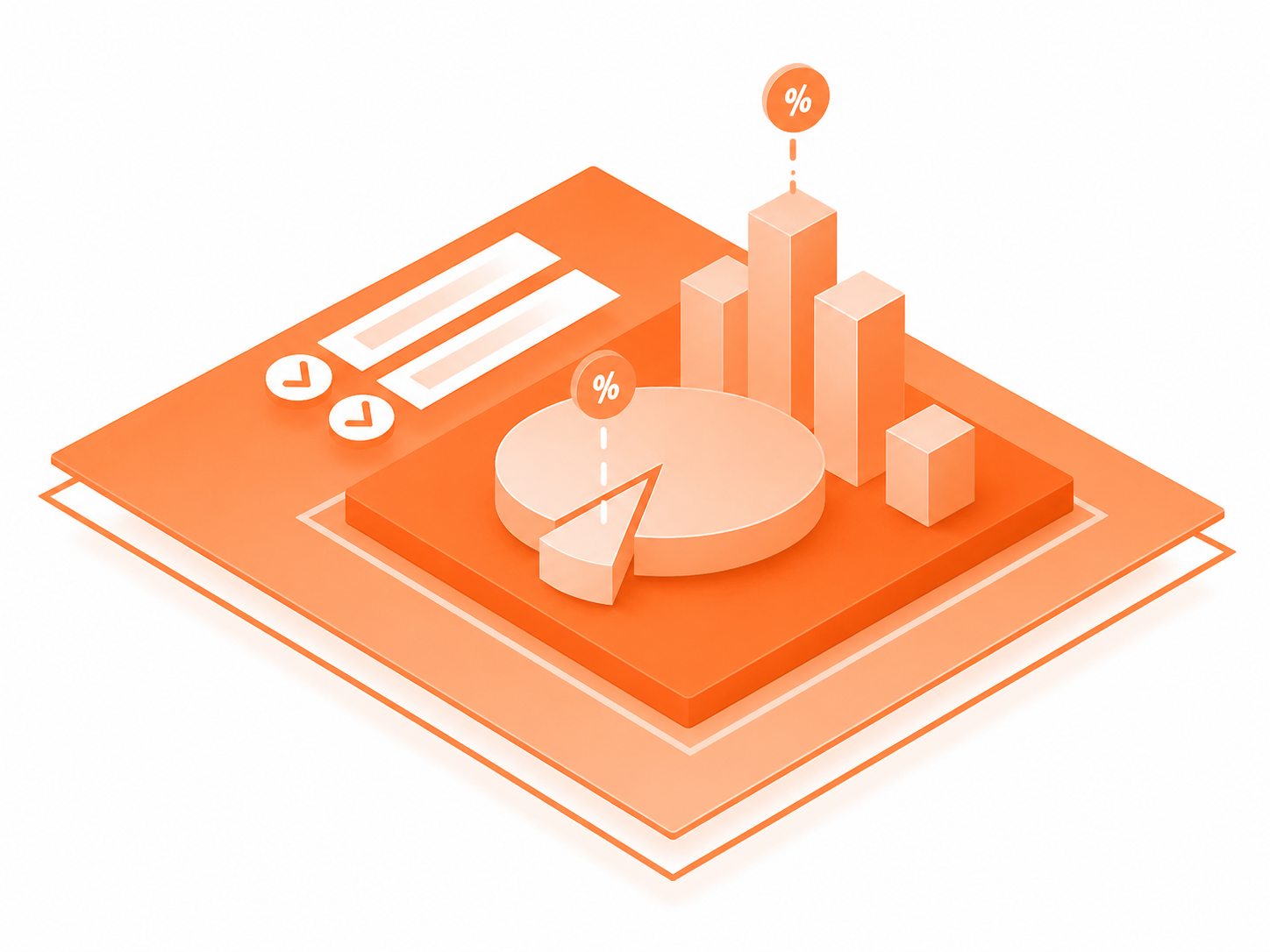
By implementing this solution, your organization can eliminate data and application silos, enable seamless communication and integration between different systems, ensure data quality, and automate data workflows for greater accuracy, consistency, and operational efficiency.

Business Intelligence
A Business Intelligence (BI) solution is a combination of systems, applications, and technologies that collect data from multiple sources, process it, and present it as clear, comprehensive, and actionable information through intuitive reports and dashboards.
It enables organizations to measure performance, analyze business operations, and monitor key activities in real time. By providing accurate and timely insights, the platform empowers management and decision-makers to make faster, more informed, and more effective business decisions.
Business Intelligence (BI) enables organizations to achieve their strategic vision by aligning every level of the organization around activities that directly support business objectives and long-term goals.
BI provides valuable insights into organizational performance across departments and management levels, helping identify performance gaps, operational challenges, and opportunities for improvement through accurate, data-driven reporting and analytics.
By delivering strategic operational data and key performance metrics, Business Intelligence empowers organizations to make faster, more informed decisions that enhance operational efficiency, improve overall business performance, and support sustainable growth.
Additionally, BI helps management continuously monitor organizational performance by providing access to both historical and real-time data. These insights enable effective trend analysis, issue identification, forecasting, and strategic planning for future business initiatives.
Data Integration
Data Reporting dan Assigment
Data Integration is the process of combining data from multiple sources into a unified and consistent view. It serves as the foundation for business analytics, reporting, and strategic planning by ensuring that data is accurate, accessible, and ready for analysis.
In today's digital landscape, data is one of the most valuable assets for any organization. Reliable and integrated data provides a trusted source of information that enables businesses to make informed decisions, improve operational efficiency, and drive strategic growth with greater confidence.
This solution streamlines reporting and task management through a fully integrated digital platform. All reporting processes and task assignments are performed in real time, enabling faster collaboration, improved visibility, and more efficient workflow management.
By replacing manual processes with automated digital workflows, organizations can significantly reduce paperwork, minimize errors, improve productivity, and support a paperless working environment.
Database Management System
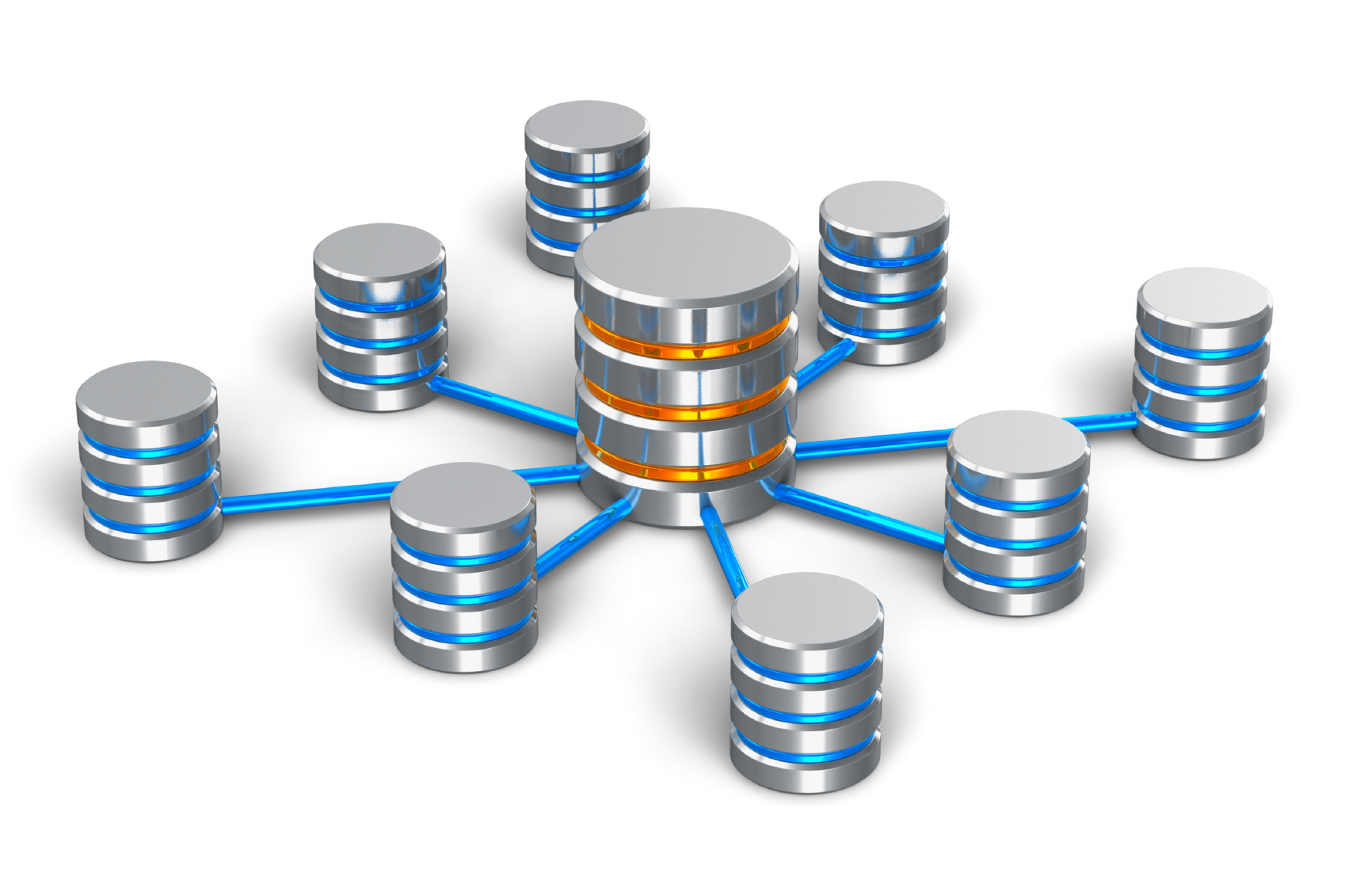
A Database Management System (DBMS) is a software platform designed to efficiently store, organize, manage, and secure data while enabling multiple users and applications to access and perform operations on the database simultaneously.
A centralized database system offers several key advantages, including:
1. Lower Infrastructure Costs Eliminates the need to deploy and maintain additional dedicated database servers, reducing overall operational expenses.
2. Simplified Maintenance Database administration, backups, updates, and troubleshooting are easier because all data is managed from a single centralized location.
3. Faster Data Updates and Improved Consistency Real-time data updates ensure that users always access the latest information, minimizing inconsistencies and preventing miscommunication across departments.
4. Easier Monitoring and Governance
Centralized management makes it easier to monitor database performance, enforce security policies, ensure data integrity, and oversee system implementation effectively.